
Latest Products



Locally Fabricated vs Imported Machines in Kenya: Which Is Better for Your Business?
In Kenya’s rapidly growing agricultural, industrial, and construction sectors, machinery plays a critical role in determining productivity, profitability, and long-term business success. Entrepreneurs, farmers, manufacturers, and contractors are often faced with a key decision: should they invest in locally fabricated machines or imported machines?
While imported machinery may appear attractive due to branding or perceived technology, locally fabricated machines have steadily proven to be the smarter and more sustainable choice for many Kenyan businesses. This in-depth guide explores the differences between locally fabricated and imported machines in Kenya, helping you understand which option truly delivers better value, reliability, and long-term benefits for your business.
Understanding Locally Fabricated Machines in Kenya
Locally fabricated machines are designed, engineered, and manufactured within Kenya by skilled fabricators and engineers. These machines are built with an understanding of local operating conditions, materials, power availability, and user needs.
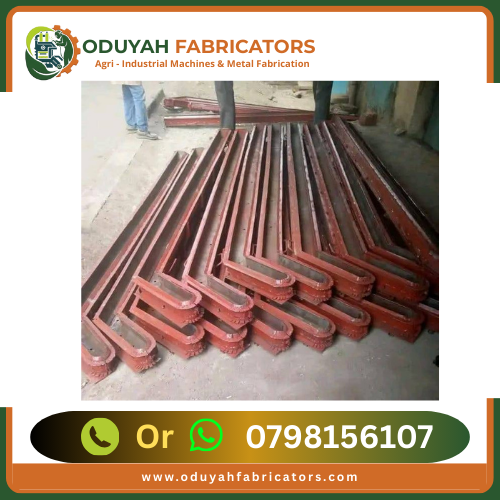
Companies like Oduyah Fabricators, based in Kariobangi Light Industries along Koma Rock Road in Nairobi, specialize in manufacturing agricultural, industrial, construction, and moulding machines tailored for Kenyan businesses.
Common locally fabricated machines include:
-
Poshomills
-
Maize shellers
-
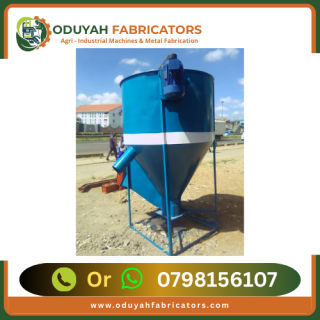
Feed mixers
-
Silage choppers
-
Roller mills
-
Block making machines
-
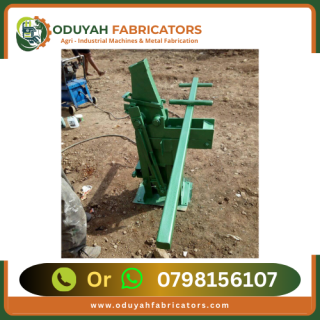
Interlocking brick machines
-
Plastic crushers
-
Peanut roaster machines
Understanding Imported Machines
Imported machines are manufactured outside Kenya and shipped into the country. They are often produced for international markets with different operating environments, regulations, and usage patterns.
While imported machines can be technologically advanced, they also come with challenges related to cost, maintenance, spare parts, and adaptability to local conditions.
Key Comparison: Locally Fabricated vs Imported Machines
1. Cost and Affordability
One of the most noticeable differences between locally fabricated and imported machines is cost.
Locally Fabricated Machines:
-
Generally more affordable
-
No import duties or high shipping costs
-
Flexible pricing
-
Better value for money
Imported Machines:
-
High purchase price
-
Import taxes, customs duties, and shipping fees
-
Expensive installation and setup
For small and medium-sized businesses in Kenya, locally fabricated machines provide a more accessible entry point into mechanization.
2. Suitability for Kenyan Operating Conditions
Kenya’s operating environment presents unique challenges such as:
-
Unstable power supply in some areas
-
Dusty or harsh working environments
-
Variable raw material quality
-
Remote locations
Locally fabricated machines are designed with these realities in mind. They are built stronger, simpler, and easier to maintain under local conditions.
Imported machines are often designed for controlled environments and may struggle with:
-
Power fluctuations
-
Dust and moisture
-
Continuous heavy use
3. Availability of Spare Parts
Spare parts availability is a critical factor that directly affects machine downtime.
Locally Fabricated Machines:
-
Spare parts are easily available locally
-
Faster repairs
-
Lower maintenance costs
-
No long waiting periods
Imported Machines:
-
Spare parts often need to be imported
-
Long delivery times
-
High costs
-
Extended downtime
For businesses where downtime equals lost income, locally fabricated machines offer a major advantage.
4. Customization and Flexibility
Every business has unique needs depending on scale, output, and application.
Locally fabricated machines can be:
-
Customized in size, capacity, and power
-
Modified to suit specific materials
-
Adjusted as your business grows
Imported machines are usually standardized, leaving little room for customization without expensive modifications.
5. Maintenance and Technical Support
Maintenance is unavoidable in machinery ownership.
Locally Fabricated Machines:
-
Simple mechanical designs
-
Easy to understand and repair
-
Local technicians readily available
-
Direct access to the manufacturer
Imported Machines:
-
Complex systems
-
Limited local expertise
-
Dependence on foreign technicians
-
High servicing costs
Local manufacturers like Oduyah Fabricators offer direct technical support, guidance, and after-sales service.
6. Durability and Build Quality
There is a common misconception that imported machines are always more durable. In reality, durability depends on design and usage environment.
Locally fabricated machines are often:
-
Built using thick, high-grade steel
-
Reinforced for continuous use
-
Designed for heavy workloads
Imported machines may use lighter materials to reduce shipping costs, which can compromise durability under Kenyan conditions.
7. Delivery Time
Time is a critical factor in business operations.
Locally Fabricated Machines:
-
Short fabrication timelines
-
Faster delivery within Kenya
-
No shipping delays
Imported Machines:
-
Long shipping periods
-
Port delays
-
Customs clearance issues
Quick access to machinery gives local fabricators a significant advantage.
Economic Impact of Choosing Local Fabrication
Supporting locally fabricated machines contributes to:
-
Job creation
-
Skills development
-
Growth of Kenya’s manufacturing sector
-
Reduced reliance on imports
-
Strengthened local economy
When businesses invest locally, the benefits extend beyond individual profit to national development.
Industries That Benefit Most from Locally Fabricated Machines
Locally fabricated machines are especially beneficial for:
-
Farmers and agro-processors
-
Construction companies
-
Small and medium manufacturers
-
Recycling businesses
-
Milling and food processing enterprises
These industries require machines that are reliable, adaptable, and cost-effective.
When Imported Machines May Make Sense
While local fabrication offers many advantages, imported machines may be suitable when:
-
Specialized technology is required
-
Extremely high automation is needed
-
The machine is unavailable locally
However, for most standard agricultural, industrial, and construction applications in Kenya, locally fabricated machines remain the more practical choice.
Why Oduyah Fabricators Is a Trusted Local Partner
Oduyah Fabricators is a Nairobi-based engineering and fabrication company located in Kariobangi Light Industries along Koma Rock Road. We specialize in:
-
Agricultural machines
-
Industrial machines
-
Construction machines
-
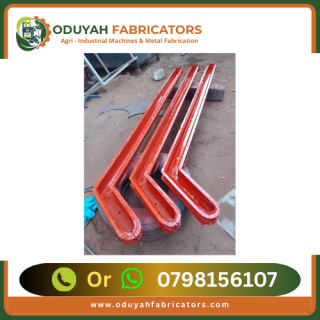
Moulding products
-
Custom fabrication solutions
Our machines are:
-
Locally manufactured
-
Built with durable steel
-
Customizable
-
Affordable
-
Supported with after-sales service
We serve customers across Nairobi and all parts of Kenya.
Future of Local Fabrication in Kenya
Kenya’s push toward industrialization, affordable housing, and food security continues to increase demand for locally manufactured machinery. Advances in fabrication skills, materials, and design mean local machines are becoming even more competitive.
Choosing locally fabricated machines today positions your business for sustainable growth tomorrow.
Conclusion
When comparing locally fabricated and imported machines in Kenya, the answer is clear for most businesses. Locally fabricated machines offer better affordability, easier maintenance, faster support, and designs tailored to Kenyan conditions.
By working with trusted local manufacturers like Oduyah Fabricators, businesses gain reliable equipment, expert support, and long-term value — while also supporting Kenya’s industrial growth.

Payment Methods

Payment Method Opt 2

Latest News

How to Choose the Right Poshomill in Kenya: Capacity, Power Options & Costs Explained Introduction Maize milling is one of the most profitable agro-processing businesses in Kenya, and the poshomill …
How to Choose the Right Poshomill in Kenya: Capacity, Power Options & Costs ExplainedRead More
Locally Fabricated vs Imported Machines in Kenya: Which Is Better for Your Business? In Kenya’s rapidly growing agricultural, industrial, and construction sectors, machinery plays a critical role in determining productivity, …
Locally Fabricated vs Imported Machines in Kenya: Which Is Better for Your Business?Read More

Best Agri – Industrial Machines and Contruction Moulds in Nairobi Introduction Nairobi is the industrial heartbeat of Kenya, driving growth in agriculture, manufacturing, construction, and infrastructure development. As businesses expand …
Best Agri – Industrial Machines and Contruction Moulds in NairobiRead More

Complete Guide to Choosing the Right Agricultural and Industrial Machines in Kenya Introduction Choosing the right agricultural and industrial machines is one of the most important decisions for farmers, manufacturers, …
Complete Guide to Choosing the Right Agricultural and Industrial Machines in KenyaRead More

Electric vs Diesel Agricultural Machines in Kenya: Which Should You Choose? Introduction Agricultural mechanization is transforming farming and agro-processing across Kenya. From maize milling and animal feed preparation to silage …
Electric vs Diesel Agricultural Machines in Kenya: Which Should You Choose?Read More
Leave a Reply