
Latest Products



Electric vs Diesel Agricultural Machines in Kenya: Which Should You Choose?
Introduction
Agricultural mechanization is transforming farming and agro-processing across Kenya. From maize milling and animal feed preparation to silage chopping and shelling, machines are now essential for productivity and profitability. However, one of the biggest decisions farmers and agro-entrepreneurs face is choosing between electric-powered and diesel-powered agricultural machines.
Both options have advantages and limitations depending on location, scale of operation, running costs, and reliability. Choosing the wrong power option can result in frequent downtime, high operating expenses, and reduced efficiency. This detailed guide explains the key differences between electric and diesel agricultural machines in Kenya, helping you make the right choice for your farm or business.
Understanding Agricultural Power Options in Kenya
Agricultural machines in Kenya are commonly powered by:
-
Electric motors
-
Diesel engines
-
Petrol engines (less common)
-
Hybrid systems (electric + diesel)
Electric and diesel remain the most widely used due to their power output, availability, and suitability for heavy-duty agricultural work.
Electric Agricultural Machines
What Are Electric Agricultural Machines?
Electric agricultural machines use electric motors connected to the national power grid or generators. They are common in urban and peri-urban areas with stable electricity.
Common electric agricultural machines include:
-
Electric poshomills
-
Electric feed mixers
-
Electric maize shellers
-
Electric roller mills
-
Electric grain grinders
Advantages of Electric Agricultural Machines
1. Lower Operating Costs
Electricity is generally cheaper than diesel fuel over time, making electric machines cost-effective for daily operations.
2. Quiet Operation
Electric machines produce less noise, making them ideal for residential areas, towns, and indoor workshops.
3. Minimal Maintenance
Electric motors have fewer moving parts compared to diesel engines, resulting in:
-
Less wear and tear
-
Lower servicing costs
-
Reduced downtime
4. Easy to Operate
Electric machines are simple to start and operate, making them suitable for operators with minimal technical experience.
Limitations of Electric Agricultural Machines
1. Power Outages
Unreliable electricity supply in some parts of Kenya can disrupt operations and cause income loss.
2. Limited Rural Access
Many rural areas still lack consistent grid electricity, limiting the use of electric machines.
3. Fixed Location
Electric machines are less flexible and usually operate from a fixed location.
Diesel Agricultural Machines
What Are Diesel Agricultural Machines?
Diesel agricultural machines use internal combustion engines powered by diesel fuel. They are widely used in rural and off-grid areas.
Common diesel agricultural machines include:
-
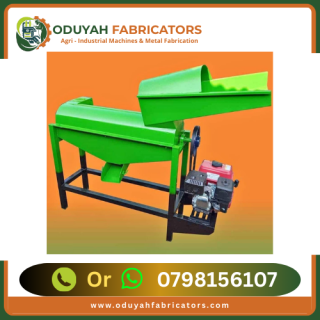
Diesel poshomills
-
Diesel maize shellers
-
Diesel silage choppers
-
Diesel feed mixers
-
Mobile agro-processing machines
Advantages of Diesel Agricultural Machines
1. Independence from Electricity
Diesel machines operate anywhere, making them ideal for:
-
Rural farms
-
Remote areas
-
Mobile operations
2. High Power and Torque
Diesel engines deliver strong torque, making them suitable for:
-
Heavy workloads
-
Continuous operation
-
Large-capacity machines
3. Reliability
Diesel machines can operate consistently regardless of power availability.
4. Mobility
Diesel-powered machines are often portable and can be moved between farms or locations.
Limitations of Diesel Agricultural Machines
1. Higher Fuel Costs
Diesel prices fluctuate, increasing operational expenses over time.
2. Regular Maintenance
Diesel engines require:
-
Oil changes
-
Fuel filter replacements
-
Engine servicing
3. Noise and Emissions
Diesel machines are noisier and produce exhaust emissions, which may not be suitable for urban environments.
Key Comparison: Electric vs Diesel Agricultural Machines
1. Cost Comparison
-
Electric machines: Lower running costs, higher dependence on power supply
-
Diesel machines: Higher fuel costs, independent operation
2. Location Suitability
-
Electric: Best for towns, trading centres, and areas with stable power
-
Diesel: Best for rural, off-grid, and mobile operations
3. Maintenance
-
Electric: Low maintenance, fewer breakdowns
-
Diesel: Requires regular servicing and skilled maintenance
4. Noise Levels
-
Electric: Quiet and environmentally friendly
-
Diesel: Loud and less suitable for residential areas
5. Long-Term Reliability
-
Electric: Reliable where electricity is stable
-
Diesel: Reliable anywhere fuel is available
Which Option Is Best for Different Users?
Small-Scale Farmers
-
Diesel machines are ideal for remote farms
-
Electric machines suit farms near towns with stable electricity
Commercial Agro-Processors
-
Electric machines reduce operating costs in high-volume operations
-
Hybrid systems ensure continuity during outages
Rural Milling Businesses
-
Diesel poshomills remain the most practical option
Urban Milling Shops
-
Electric poshomills are cost-effective and quiet
Hybrid (Electric + Diesel) Machines: The Best of Both Worlds
Hybrid agricultural machines combine electric motors and diesel engines in one system. These machines:
-
Operate on electricity when available
-
Switch to diesel during outages
-
Ensure uninterrupted operations
They are ideal for businesses that require reliability and flexibility.
Importance of Local Fabrication in Power Selection
Locally fabricated machines from manufacturers like Oduyah Fabricators offer:
-
Custom power configurations
-
Machines designed for Kenyan conditions
-
Easy maintenance and spare parts
-
Lower costs compared to imports
Local fabricators can also advise you on the most suitable power option based on your location and workload.
Why Choose Oduyah Fabricators
Oduyah Fabricators, located in Kariobangi Light Industries along Koma Rock Road, Nairobi, manufactures:
-
Electric agricultural machines
-
Diesel agricultural machines
-
Hybrid agro-processing machines
Our machines are:
-
Locally fabricated
-
Durable and efficient
-
Customizable
-
Supported with after-sales service
-
Delivered across Kenya
Future of Agricultural Power Options in Kenya
With expanding rural electrification, solar integration, and increasing mechanization, Kenyan farmers will continue to adopt diverse power solutions. Hybrid and energy-efficient machines will play a major role in the future of agriculture.
Conclusion
Choosing between electric and diesel agricultural machines in Kenya depends on your location, budget, workload, and power availability. Electric machines offer low running costs and quiet operation, while diesel machines provide reliability and independence in remote areas. For many businesses, hybrid systems offer the best balance.
Working with experienced local manufacturers like Oduyah Fabricators ensures you receive expert guidance, durable machines, and long-term support for your agricultural operations.

Payment Methods

Payment Method Opt 2

Latest News
Electric vs Diesel Agricultural Machines in Kenya: Which Should You Choose? Introduction Agricultural mechanization is transforming farming and agro-processing across Kenya. From maize milling and animal feed preparation to silage …
Electric vs Diesel Agricultural Machines in Kenya: Which Should You Choose?Read More

Locally Fabricated vs Imported Machines in Kenya: Which Is Better for Your Business? In Kenya’s rapidly growing agricultural, industrial, and construction sectors, machinery plays a critical role in determining productivity, …
Locally Fabricated vs Imported Machines in Kenya: Which Is Better for Your Business?Read More

Complete Guide to Choosing the Right Agricultural and Industrial Machines in Kenya Introduction Choosing the right agricultural and industrial machines is one of the most important decisions for farmers, manufacturers, …
Complete Guide to Choosing the Right Agricultural and Industrial Machines in KenyaRead More

How to Choose the Right Poshomill in Kenya: Capacity, Power Options & Costs Explained Introduction Maize milling is one of the most profitable agro-processing businesses in Kenya, and the poshomill …
How to Choose the Right Poshomill in Kenya: Capacity, Power Options & Costs ExplainedRead More

Best Agri – Industrial Machines and Contruction Moulds in Nairobi Introduction Nairobi is the industrial heartbeat of Kenya, driving growth in agriculture, manufacturing, construction, and infrastructure development. As businesses expand …
Best Agri – Industrial Machines and Contruction Moulds in NairobiRead More
Leave a Reply